Physiotherapy in Taren Point, near Caringbah

Physiotherapy and strength coaching combined for people who aren’t seeing results with traditional physiotherapy

University qualified strength and rehab specialist providing structured training, rehabilitation and education to help you recover from injury and build the confidence to manage it yourself

  • 24/7 gym access
  • One-on-one coaching
  • Continuous program reviews and adjustments
  • Access your physio and coach between sessions
Book a Physio Appointment Explore Rehab Options Send a General Enquiry
Physiotherapy and strength coaching in Taren Point, serving Caringbah and the Sutherland Shire

Who this is and isn’t for

This is for you if…

  • Rehab built into your trainingYou want strength training to be part of your rehabilitation.
  • Follow your training and rehab programYou’re willing to follow your prescribed exercises and do the work between appointments.
  • Commit to a longer-term planYou understand that progress takes time.
  • Learn to manage your injuryYou want to understand your injury and build the skills to manage it yourself.
  • Physio and coaching managed togetherYou want your physiotherapy and strength coaching coordinated as one plan, wherever you train.
  • Work with your physio and coachTell us how your training and injury are responding so we know what needs adjusting.

This isn’t for you if…

  • Passive treatment onlyYou’re only looking for massage, needling or similar treatments.
  • Relying on appointments aloneYou expect treatment to fix the problem without doing the work between sessions.
  • A guaranteed quick fixYou only want immediate relief, rather than a longer-term plan.
  • No interest in self-managementYou want everything done for you without learning to manage your injury.
  • Physio treatment without coachingYou only want physiotherapy appointments, without the structured training and ongoing coaching.
  • No feedback between sessionsYou’re unwilling to tell us what’s working and what needs adjusting.
Member squat training at SPC Performance Lab

How we help you progress

Physio and strength coaching combined

Physio and strength coaching under one roof. No conflicting advice between specialists, giving you a clear direction towards your recovery.

A structured program to follow between sessions

Leave your appointment knowing what to do and how to perform exercises correctly. Your program is continuously monitored and adjusted, taking you from rehab back to doing the activities you want to do.

Support and attention

A full hour of one-on-one attention with your physio/coach and unlimited WhatsApp support between sessions, so questions don’t have to wait till your next appointment. Your training is regularly reviewed so we can monitor your progress.

Coach supervising a woman performing a barbell shoulder press

Education and independence

Understand your injury and the reason behind your diagnosis. Learn how to manage flare-ups and adjust your training on your own. We’ll help you build the skills and confidence to self-manage your injury without forever relying on appointments.

Keep training while managing your injury

Your physio adapts your program so you can continue training without overly aggravating your injury. Keep progressing towards your goals throughout rehab, with a focus on everything you can do rather than what you can’t do.

A long-term plan for your recovery

Understand your injury, how to manage it and what to expect during recovery. We focus on building your work capacity and giving you the tools to manage your injury independently, rather than relying on treatments that only provide short-term relief.

×
❮
❯

Getting started with physiotherapy and strength coaching

Step 1

Choose the option that best fits your needs

Scroll down to find the service that best matches you.

Step 2

Get in touch

Fill out the assessment form and give us a brief overview of what you need help with. A coach will review your information and get in touch to discuss how we can help.

Step 3

Start your assessment and coaching

Meet with your specialist to discuss your issues and goals in detail, have your movement assessed, and begin your training and rehab program so you can start progressing.

Select the right pathway for you

Coach supervising a barbell bench press

Gym training

For people who take their gym training seriously and have an injury affecting their training or daily life.

Not sure where you fit? Get in touch, tell us what you need help with, and we’ll work out how we can help.

Get Started
Meet your physio and coach

Experienced coaches with strong academic and practical backgrounds

Paul Attard, Owner and Head Coach of SPC Performance Lab

Paul Attard, MExerSc, BExSSc(Hons)

Owner & Head Coach of SPC Performance Lab

Paul Attard is the owner and head coach of SPC Performance Lab. Since 2014, he has coached clients ranging from beginners wanting to build strength, improve body composition, and learn proper technique through to competitive powerlifters and bodybuilders. His coaching is structured, sustainable, and focused on helping clients build confidence while educating them in training and nutrition.

Qualifications and experience

  • Bachelor of Exercise and Sports Science
  • Bachelor of Exercise and Sports Science, First Class Honours
  • Master of Exercise Science, Strength and Conditioning
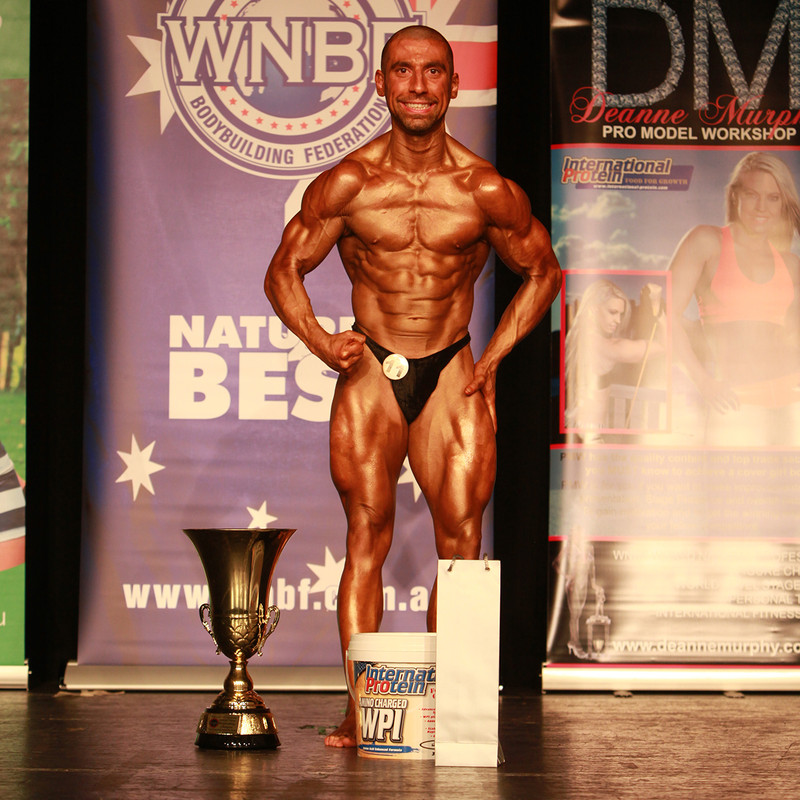
  • WNBF Men’s Overall Natural Bodybuilding Winner
  • Previous U59kg Australian Deadlift Record, 223.5kg
  • Full time coaching since 2014
Jason Sicat, Physiotherapist and Strength Coach at SPC Performance Lab

Jason Sicat, M. Phty, B.ExPhys

Full time Physiotherapist & Strength Coach

Jason combines strength coaching with his full-time work as a physiotherapist. He helps clients build strength, improve body composition, lift safely, and train around pain or injury. He works with everyone from beginners and recreational lifters through to powerlifters in competition prep.

Qualifications and experience

  • 2023 Master of Physiotherapy, University of Sydney
  • 2020 Bachelor of Exercise Physiology, UNSW
  • U74kg National Level Powerlifting Athlete, IPF
  • 2025 U74kg 3rd Place Australian Bench Only Nationals
  • 2025 Paragon Open I Best Overall Male
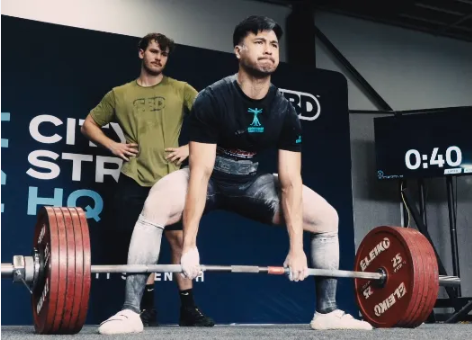
  • 2025 City Strength HQ Open XXIII Best Overall Male Runner Up

What Our Members Say About Training at SPC

Reviews from our members training at our strength and rehab gym in Taren Point.

5.0 ★★★★★
Based on 67 Google reviews

Read what members say about the gym, equipment, coaching and training environment.

Read all reviews on Google

Contact SPC Performance Lab

Get In Touch

Frequently Asked Questions

We help with a range of injuries and conditions that affect your training, sport, work or everyday life. This includes recent injuries, ongoing or recurring pain, and rehabilitation after surgery.

Back and nerve related pain

  • Acute muscular or nonspecific lower back pain
  • Chronic lower back pain
  • Lumbar radiculopathy, often described as sciatica
  • Disc related pain
  • Deep gluteal syndrome and piriformis syndrome

Shoulder pain

  • Rotator cuff injuries and related shoulder pain
  • Long head of biceps tendinopathy
  • Shoulder pain previously diagnosed as subacromial impingement

Hip and hamstring pain

  • Greater trochanteric pain syndrome, including gluteal tendinopathy and pain commonly described as gluteal bursitis
  • Hamstring tendinopathy
  • Hip osteoarthritis

Knee pain

  • Patellar tendinopathy
  • Patellofemoral pain, commonly felt around or behind the kneecap
  • Patellar chondromalacia
  • Knee osteoarthritis
  • Meniscal tears

Elbow pain

  • Tennis elbow, also called lateral epicondylalgia
  • Golfer’s elbow, also called medial epicondylalgia

Acute injuries

  • Lateral ankle sprains
  • Knee ligament injuries involving the ACL, MCL, LCL or PCL

Rehabilitation after surgery

  • ACL repair
  • Meniscal repair
  • Knee arthroscopy
  • Knee replacement
  • Hip replacement

You don’t need to know the name of your injury before contacting us. Tell us what you’re struggling with and we’ll assess it, explain what we think is happening and work out the next step.

Your program is built around your assessment, current ability and goals. The diagnosis helps guide the plan, but we also need to understand how the problem affects you and what you want to get back to doing.

Yes. Helping you understand and manage ongoing or recurring pain is a central part of what we do.

We’ll assess what aggravates your symptoms, what may be contributing to them continuing, and what training and activities you currently tolerate. We’ll also discuss your understanding of the pain, what you think it means, and whether it has made you anxious about moving or led you to avoid certain activities. That helps us understand your experience. It doesn’t mean the pain is imagined.

From there, we’ll develop a long term training and management plan. You’ll learn how to respond to flare ups, when to progress your training, when to pull back, and when a change in symptoms needs reassessment.

Pain doesn’t necessarily mean you’re causing damage, but that doesn’t mean every pain should be pushed through. We’ll help you understand what’s appropriate for your situation and, where suitable, gradually reintroduce movements you’ve become hesitant to perform.

The aim is to build your capacity and confidence so you can manage more independently, with your physio and coach available to guide you when needed.

Yes. We provide both strength coaching and physiotherapy. You don’t need an injury to train with us.

We develop programs for a range of goals, including building muscle, increasing strength, improving lifting technique and losing body fat. We also provide nutrition guidance and help you develop habits that support your training and health.

You might have specific performance or physique goals, or you might just want to improve your health and need structure, coaching and accountability to get into training.

That’s what the strength coaching side of our service is for. If you also need physiotherapy, we can incorporate that into the same plan so your training and rehabilitation work together.

Yes. That’s one of the main reasons we’ve built this service.

We’ll look at what you’ve already tried, what helped, what didn’t, and whether you had a structured program that was reviewed and progressed. We also want to understand what you were told about your injury and whether you actually knew what to do between appointments.

From there, we’ll assess where you’re at and develop a plan that combines your rehabilitation with strength training. You’ll be coached through the exercises, understand why you’re doing them and have someone to contact when you need help.

We’re not promising that we’ll have every answer from the first appointment. We’ll monitor how you respond, listen to your feedback and adjust the plan if things aren’t progressing. You should understand what we’re working on, why we’re doing it and what comes next.

That can leave you feeling lost. One person tells you one thing, someone else tells you something different, and now you don’t know who to listen to or what you should actually be doing.

We’ll go through what you’ve been told, what assessments or treatment you’ve had, and how your symptoms are affecting your training and everyday life. Your physio will assess you and explain what they think is happening, why they think that, and what we’re going to do about it.

Sometimes there’s a clear diagnosis. Other times, we’re working with a hypothesis that needs to be reviewed as we see how you respond. We’ll be upfront about what we know and what we’re still working out.

The point isn’t just to give you another label. It’s to give you an explanation you understand and a practical plan to follow. Your physio and coach will be working from that same plan, and if we need to change direction, we’ll explain why.

You’re getting physiotherapy combined with strength coaching. We assess your injury, coach you through your exercises and build a structured training and rehabilitation program for you to follow between appointments.

Your program takes into account your injury, your current ability and what you want to achieve. That might be getting back to heavy lifting, building muscle, returning to sport or being able to do everyday activities more comfortably.

You’ll learn how to perform the exercises, why you’re doing them and how to manage your training as things change. We review your progress and adjust the program based on what you’re doing and how you’re responding.

You also have WhatsApp access to your physio and coach between sessions. If you’re unsure about an exercise, need your technique checked or have a problem with your program, you can contact us instead of saving every question for your next appointment.

The appointment gives you assessment, coaching and direction. The work continues between sessions, with a program to follow and support when you need it. Over time, we want you to build the skills and confidence to manage more of it yourself.

Yes. Your physiotherapist is also a strength coach, so they can assess your injury, coach your exercises and manage your training program together. Your rehabilitation is built into your training, with both working towards the same goals.

If you’re already working with another coach within SPC and need your physio’s input, we communicate directly with each other. Your coach will know what your physio has assessed, what needs adjusting and how that affects your program.

You shouldn’t have to pass messages between people or work out whose advice to follow. We keep each other up to date so you understand the plan and the direction we’re taking.

Our service is designed around physiotherapy and strength coaching together. That means assessing your injury, giving you a training and rehabilitation program, teaching you how to follow it and reviewing how you’re progressing.

If you only want treatment appointments without doing a program between sessions, this probably isn’t the service for you. The training, education and feedback are part of how we help you.

That doesn’t mean you need to book a coached session every week or keep seeing us forever. How often you need appointments depends on your situation and how much support you need. You might do most of your training independently and come in for reviews and adjustments.

The point is that you have a plan to follow and someone helping you manage it, rather than an appointment with no direction on what to do afterwards.

First, your physiotherapist and coach will sit down with you to understand what’s going on. You’ll discuss your injury, what aggravates it, what you’ve already tried and how it’s affecting your training or everyday life. They’ll also ask about your goals and what you want to get back to doing.

Then you’ll move into a physical assessment. Your physio will look at the movements relevant to your problem and what you can currently tolerate, rather than just relying on what a scan or previous diagnosis says.

From there, you’ll go into coached exercises and strength training. This gives your coach a chance to see how you respond, work out an appropriate starting point and teach you how to perform the exercises.

Your coach will use that information to put together your individual training and rehabilitation program. You should understand what we think is happening, what we’re going to work on and what you need to do between sessions.

You’ll also have access to your physio and coach through WhatsApp, so if something is unclear when you start following the program, you can ask for help.

Allow around 90 minutes to 1 hour and 45 minutes for your first appointment. This gives us time to discuss your injury, history and goals, assess your movement and take you through coached exercises without rushing through everything.

Your ongoing coaching sessions are a full hour of one on one attention with your physio or coach. That time is spent working with you, rather than moving between several clients at once.

Yes, you’ll exercise during your appointments. We’ll coach you through your training and rehabilitation, check your technique and see how you respond so we can make adjustments where needed.

Wear clothes you can comfortably exercise in and bring the shoes you normally train in. You’ll be moving and doing exercises during the appointment, so dress as you would for a training session.

If you have relevant scan reports, previous assessment results or information about treatment you’ve already had, bring those along. If you’re currently training, bring your program or have it available on your phone so we can see what you’re doing.

Videos of exercises you’re having trouble with can also be useful, especially if the problem only happens during particular lifts or activities. You don’t need to put together a presentation. Just bring whatever helps us understand what’s going on.

We offer in person sessions, monthly coaching and online coaching, depending on how much support you need and how you prefer to train.

Initial in person assessment: $160

Allow around 90 minutes to 1 hour and 45 minutes. We’ll discuss your injury, training history and goals, assess your movement and take you through coached exercises.

Your coach uses that information to develop your individual training and rehabilitation program. You’ll be shown how to perform the exercises correctly, so you know what to do when you train on your own.

Ongoing in person coaching: $125 per session

You get a full hour of one on one attention with your physio or coach. We’ll coach you through your exercises, check your technique and adjust your training based on how you’re progressing.

Your coaching includes your individual program, ongoing reviews and adjustments, education, and WhatsApp support between appointments. You can ask questions, send technique videos and get guidance when something needs changing.

Monthly coaching: $340 for the first month ($100 assessment + $240 coaching), then $240 per month

Monthly coaching includes:

  • One in person coaching session each month
  • An individual four week training and rehabilitation program
  • Nutrition guidance
  • WhatsApp contact with your coach whenever you need support between sessions

This option suits people who can follow their program independently but want regular coaching, feedback and someone reviewing their progress.

Online coaching: $140 for your initial assessment and first week, then $90 per week

Online coaching includes an individual training and rehabilitation program and a weekly check in. We review what you’ve done, how you’re responding and what needs adjusting.

You also have access to your coach through email or WhatsApp whenever you need support between check ins. You can ask questions, send technique videos or discuss how your injury is responding without waiting until the next weekly review.

Are there contracts or minimum commitments?

Weekly coaching and individual sessions have no lock in contracts or minimum commitments. You can cancel or pause at any time, with billing weekly or per session depending on your arrangement.

Monthly coaching has a one month minimum commitment. After that, you can cancel or pause at any time.

You don’t have to come every week. It depends on what you need help with, how confident you are following your program and how much coaching you want.

If you’re new to training, need help with technique or benefit from having someone coach you through your sessions, regular in person appointments may suit you. If you’re comfortable training independently, monthly coaching or online coaching might be a better fit.

We’ll discuss that with you and work out an arrangement that fits your needs and schedule. As you progress, you can change how much support you receive. You might start with regular sessions and move to monthly reviews once you’re confident doing more on your own.

The aim is to give you the support you need and help you become more independent, rather than keep you coming to appointments you no longer need.

Follow your training and rehabilitation program, record what you’ve done and let your coach know how you’re responding. The appointments give you coaching and direction, but you need to do the work between sessions as well.

Tell us if an exercise is aggravating your injury, you’re unsure about your technique or you’re struggling to complete the program. That feedback helps us understand what’s working and what needs changing.

If your schedule changes or something in the program isn’t practical, let us know so we can adjust it. There’s no benefit in giving you a program you can’t realistically follow.

You don’t need to get everything perfect or figure it all out yourself. We do need you to participate, communicate and work with your coach so we can help you progress.

That depends on your goals, what you can currently tolerate and how much time you can realistically commit. We’ll discuss this with you before putting your program together.

Your program should fit around your work, family, sport and other commitments. If you already train, we’ll look at how your rehabilitation can fit into those sessions. If you’re new to training, we’ll work out a starting point you can manage.

You’ll know how many sessions to do each week, what to do in each session and roughly how long they should take.

Be upfront about your availability. We’d rather build a program you can follow consistently than give you five days of training when you only have time for two. If your circumstances change, tell your coach so we can adjust it.

You don’t have to do all your training at SPC. You can follow your program at another gym or at home, provided you have the equipment needed for what we’re working on.

Tell your coach where you’ll be training and what equipment you have available. We’ll build your program around that and explain if there’s anything else you’ll need.

We do keep the physiotherapy and strength coaching within SPC. In our experience, when those services are handled separately, communication between practitioners often doesn’t happen as consistently as clients are led to expect. You can end up passing messages between people, receiving conflicting advice or following a training program that doesn’t account for your rehabilitation.

We don’t want to promise that we’ll coordinate everything with a separate coach when that isn’t how our service operates. Your physio is either your strength coach or works directly with your coach within SPC, so we can keep each other up to date and manage your training and rehabilitation together.

You can train elsewhere. The assessment, programming and coaching stay with our team, with support between sessions when you need help.

Bring your current program so we can see what you’re doing, what you enjoy and what you’re working towards. We don’t need to throw everything out just because you have an injury.

We’ll look at which parts you can continue, what might need adjusting and how to build your rehabilitation into your training. That could mean changing an exercise, adjusting the weight, sets or repetitions, or changing how your sessions are organised.

The aim is to keep as much useful training as we can while managing your injury. You may still be able to work towards your strength, muscle or fitness goals throughout rehabilitation.

You do need to be willing to make changes where needed. Your coach will manage the program as a whole, so your rehabilitation and training work together rather than having extra exercises added on without considering everything else you’re doing.

For this service, your physiotherapy and strength coaching are managed together through SPC. If you want to keep another coach responsible for your program and only see us for physiotherapy, this isn’t the arrangement we offer.

In our experience, communication between separate physios and coaches is often promised but doesn’t consistently happen. You end up passing messages between them, receiving conflicting instructions or having changes made that the other person doesn’t know about.

We don’t want to make that same promise and leave you dealing with the disconnect. Keeping your physiotherapy and coaching within SPC means we can manage your exercises, training loads and progression together, with everyone working from the same plan.

You can still train at another gym or at home. It’s the programming and coaching that stay with our team.

No. You don’t need to know how to lift weights or follow a training program before you start. Teaching you those things is part of the coaching.

We’ll assess where you’re at, choose an appropriate starting point and show you how to perform the exercises in your program. You’ll learn what to do, how much to do and how to progress, with support when you’re unsure.

If you already train, we’ll build on your experience and work towards your goals. If you’re new, we’ll give you the structure and coaching to get started without expecting you to figure everything out yourself.

What matters is that you’re willing to learn, follow the program and communicate with your coach. You don’t need to arrive strong or fit. That’s what we’re working towards.

Yes, you can come to us in any of those situations. You don’t need to get fit or build confidence before asking for help. That’s part of what the coaching is for.

We’ll discuss your health, previous injuries, exercise experience and anything you’re worried about, then assess an appropriate starting point. If there’s something that needs further assessment before we begin, your physio will explain that.

You’ll be taught how to perform the exercises and given a program that suits your current ability. As you improve, we’ll adjust the training so it continues to challenge you.

Being older or inexperienced doesn’t mean every exercise needs to stay easy forever. We want to help you build strength and confidence over time, with coaching and progression suited to you.

We’ll teach you what to look for based on your injury, assessment and how you respond to training. You shouldn’t be left guessing whether to push through something or avoid it completely.

That includes understanding what you feel during an exercise, how it changes throughout the session and how you feel afterwards. Your coach will explain what responses we’re comfortable with and what would mean adjusting the exercise or getting your physio to reassess things.

An adjustment might involve changing the weight, movement, number of sets or exercise itself. It doesn’t necessarily mean stopping your whole session.

Pain doesn’t automatically mean you’re causing damage, but that doesn’t mean every pain should be pushed through either. We’ll help you understand the difference in your situation and give you practical guidance on what to do.

If something changes or you’re unsure, contact your physio or coach. The aim is to build your confidence in making those decisions, with support while you learn.

You have access to your physio and coach between appointments, so you don’t have to save every question for your next session.

You can ask about your program, send videos for technique feedback, explain how your injury is responding or get help when you’re unsure what to do. If an exercise is causing problems or you need an alternative because equipment isn’t available, you can contact us for guidance.

You can message whenever you need help. That doesn’t mean an immediate reply at every hour, but you don’t need to wait for a scheduled check in to ask. If something needs a proper assessment rather than a message, your physio will explain that and arrange the next step with you.

We’ll look at whether you’re making progress with the things you came to us for. That might be lifting more weight, tolerating more training, getting back to sport or finding everyday activities easier.

Pain is one thing we monitor, but it isn’t the only measure. We also want to know what you can do, how much you can tolerate and whether you’re becoming more confident doing it.

Progress isn’t linear. Pain and training performance can fluctuate, so some days will feel better than others. One difficult session doesn’t necessarily mean you’re going backwards. We’re looking at the trend over time to see whether you’re moving in the right direction despite those fluctuations.

Your training records, feedback and what we see during your sessions help us assess that. We’ll explain what we’re looking for so you understand why we’re increasing the training, keeping something the same or making an adjustment.

If things aren’t progressing, or symptoms change in a way that needs attention, we’ll review the plan. The point is to make decisions based on how you’re responding rather than keep giving you the same exercises without checking whether they’re helping.

Tell your coach what you’re struggling with so we can work through it together. We don’t expect to get every part of the program right from the first appointment.

We’ll look at what you’ve been doing, how consistently you’ve been able to follow the plan and how your injury is responding. We’ll also consider whether the exercises, training load and progression are appropriate, or whether something outside training is affecting things.

From there, we can adjust the program and monitor what happens. Sometimes your physio may need to reassess the problem or recommend further assessment rather than just change an exercise.

We’ll explain what we’re changing and why. If something hasn’t worked as expected, we’re willing to acknowledge that and reconsider the approach. You shouldn’t be left repeating the same plan without understanding what we’re doing to address the lack of progress.

We can’t guarantee a recovery date or a particular result. It depends on what you’re dealing with, how long it’s been affecting you, your current capacity and how you respond to the program.

After your assessment, we’ll explain what we think is realistic, what we’re working towards and what progress might look like. We’ll review those expectations as we see how things develop rather than give you a fixed timeline and pretend we know exactly how it’s going to go.

Recovery also isn’t necessarily about waiting until every symptom disappears. You may be able to do more, get stronger and return to activities while still managing some symptoms. We’ll help you understand what that means for your situation.

What we can commit to is giving you a structured plan, coaching you through it and making adjustments based on your progress. We’re here to help you work towards an outcome, not promise that a certain number of appointments will fix everything.

Yes. That’s a main part of what we do. We want you to understand your injury and know what to do about it, rather than feel like you need an appointment every time something changes.

We’ll explain why you’re doing the exercises in your program, how to progress them and when to adjust your training. You’ll also learn how to respond to flare ups and recognise when something needs your physio’s input.

You’ll practise those decisions with our guidance. As you gain experience, the aim is for you to become more confident managing your training without needing us to make every decision for you.

Your physio and coach are still there when you need help. Becoming more independent doesn’t mean being left on your own. It means having the skills to manage more yourself, with support available when you’re unsure.

Your program develops with you. As your injury becomes less of a limitation, we can put more focus on your strength, muscle growth, fitness, sport or whatever you want to work towards.

You don’t need to finish rehabilitation and then start again with a separate coach. We already know your training, what you’ve been working through and how you’re progressing, so we can continue building from there.

You can keep doing regular coaching, move to monthly sessions or use online coaching, depending on how much support you want. If you feel confident managing things yourself, you can also finish coaching.

The aim is to help you get back to doing what you want and give you the option to keep progressing beyond the original injury.

No. We’re set up as a strength and rehabilitation gym, with no massage beds. Our service focuses on training modifications, strength training, coaching and education.

You’re paying for our time, so we want to use that time to assess what’s happening, teach you how to perform your exercises, adjust your program and help you understand how to manage your injury. Those are the things we focus on to support your progress over time.

If something like self massage, foam rolling, stretching or a particular exercise helps you get temporary relief, we can discuss how you might use it yourself where appropriate. Different people respond differently, and temporary relief is useful if it helps you feel more comfortable, but it isn’t the whole rehabilitation plan.

The appointment is about giving you something you can take away and use. We want you to leave knowing what to do between sessions, with a program and the skills to work towards longer term improvements.

No GP referral is required. You can book directly with us without already having a diagnosis.

If you have relevant scan reports or information from previous treatment, bring those along. Your physio will consider them alongside your symptoms, movement, training history and what you’re struggling with.

You don’t need to organise scans just to make an enquiry. If your physio thinks further assessment is needed, they’ll explain why and discuss the next step with you.

If your physio identifies something that needs further assessment or support from another health professional, they’ll explain what they’re concerned about and why they recommend getting that input.

We’re not going to keep giving you exercises if we think something else needs investigating. We’ll discuss who to see, what information to take and what that means for your training in the meantime.

Depending on the situation, we may be able to continue supporting your training alongside that care, or we may need to wait for further assessment before progressing.

The point is to help you get the support you need and understand the next step, rather than leave you unsure about what to do.

Weekly coaching and individual sessions have no lock in contracts or minimum commitments. You can cancel or pause at any time.

Monthly coaching has a one month minimum commitment. After that, you can cancel or pause without committing to another month.

For cancelling or rescheduling an appointment, please give at least 24 hours notice. If something comes up with less notice, contact your coach as soon as you can. We understand things happen and can be flexible depending on the circumstances, but late changes are considered case by case.

If your circumstances change, let your coach know so we can discuss whether you want to pause, finish or move to a different coaching arrangement.

We’re at Unit 8 / 58 Box Road, Taren Point, near Caringbah in the Sutherland Shire.

Your in person assessments and coaching sessions take place inside our strength training and rehabilitation gym.

You can park at the front of the warehouse, or use the free street parking nearby.

Yes. Your initial physiotherapy assessment can be completed online, followed by an individual training and rehabilitation program, weekly check ins, and access to your coach through email or WhatsApp when you need support.

We’ll discuss your injury, training history and goals, assess what we can remotely and explain the plan. If something needs an in person assessment, your physio will let you know.

You can send videos for technique feedback, ask questions and discuss how your training and injury are responding. Your coach uses that information to review your progress and adjust your program.

You can train at your own gym or at home. We’ll discuss what equipment you have available and build your program around that.

Your initial online assessment and first week cost $140, followed by $90 per week.

Fill out the assessment form and give us a brief overview of what you need help with. Tell us what you’re struggling with, what you want to achieve and any preferences about how you’d like to train.

You don’t need to know which coaching option to choose before contacting us. We’ll go through your situation with you, explain the options and work out what level of support makes sense.

That might be regular in person sessions, monthly coaching or online coaching. We’ll explain what’s included and what it costs so you understand the arrangement before committing.

A coach will review your information and get in touch, normally within 24 hours. Sometimes it may take up to 48 hours, but we respond to every enquiry.

We’ll discuss what you need help with, ask any follow up questions and explain which coaching options could suit you.

You’ll have the opportunity to ask questions and understand what’s included, what it costs and what’s expected from you. If you decide to go ahead, we’ll arrange your initial assessment and explain how to prepare.

Ask About A Membership or free trial​

Fill out the form, and we will be in touch in less than 24 hours

Contact Information

Get Fitness Passport Access Details

Fill out the form below, and we will be in touch shortly.
Contact Information
Are You A Fitness Passport Member?
When would you like to come in for your first visit?

Ask About A Membership or free trial

Fill out the form, and we will be in touch in less than 24 hours

Contact Information